Exactly How Synthetic Roof Improve Defense Versus Midwest Storms
Anyone who has owned a home in the Midwest long enough has a tornado tale. In the Chicago location, one season can bring sleet that sets over night, wind gusts that peel at roofing sides, hailstorm that swellings shingles, and summer season heat that cooks everything completely dry before the next round of rainfall arrives. Roof in this area is not an aesthetic decision initially. It is an efficiency decision.
That is where artificial roof have gained actual interest. For house owners that want more than the basic life expectancy and look of standard asphalt, contemporary artificial products offer a various technique to security. They are created to resemble exceptional materials such as slate, cedar shake, or floor tile while resolving several of the weak points those materials can present in freeze-thaw climates, hail storm zones, and high-wind corridors.
This issues a lot more for homes in areas like Chicago, Naperville, and the bordering suburbs, where roofing system settings up are tested repeatedly, not occasionally. A roof covering could face wind-driven rainfall in April, hail storm in June, moist warmth in August, and ice dams in January. A material that looks great in a showroom might not hold up similarly after ten years of Midwest weather condition direct exposure. The functional question is less complex: when the climate transforms harsh, what provides a home the most effective chance to remain dry, safe and secure, and structurally protected?
For lots of homeowners, specifically those evaluating a synthetic roof covering substitute, the response increasingly aims toward building artificial roofing and other costs artificial roof options.
Why Midwest storms are so difficult on roofs
Midwest weather is not just serious, it is varied. That combination is what wears roofings down. In coastal areas, roof selections often focus on salt air and cyclone patterns. In the Southwest, the emphasis is UV resistance and thermal expansion. In the Midwest, roofing systems have to juggle virtually everything.
Hail is one of the most apparent problem. Also moderate hail storm can reduce the life of a traditional roofing by knocking granules loose, producing soft bruises, and revealing the roof shingles floor covering beneath. Sometimes the damages is significant and simple to place. Equally as usually, it is refined. A roof can look appropriate from the ground and still be https://rylanezze192.inkharbory.com/posts/just-how-synthetic-roof-covering-tiles-take-on-snow-loads-and-warm-waves compromised enough to fall short years early.
Wind is equally as damaging, though it frequently works more silently. Repeated gusts move shingle tabs, tension fastener places, and make use of weak securing points near ridges, hips, valleys, and eaves. Once wind obtains under a prone section, water generally follows.
Then there is the freeze-thaw cycle, an acquainted enemy in north Illinois. Water gets in a small space, temperatures decrease, ice expands, and the opening gets bigger. That process can repeat loads of times in one winter season. Include snow load, ice damming, and clogged up drainage courses, and also a decent-looking roofing system can begin dripping around infiltrations and transitions.
Heat should not be overlooked either. Summer season temperatures in the Midwest may not match the desert, however attic room warmth accumulation, UV direct exposure, and repeated thermal motion take a constant toll. Materials come to be breakable, sealants fatigue, and blinking details age quicker than lots of home owners expect.
A roof in this environment requires greater than surface area sturdiness. It requires impact resistance, wind security, reliable water losing, and long-term dimensional uniformity. That is specifically why synthetic roofing systems have become a lot more typical on both high-end custom develops and day-to-day residences.
What makes synthetic roof different
The term synthetic roofings covers a series of items, yet most superior systems are crafted from sophisticated polymer composites, recycled products, or exclusive blends made to replicate the look of cedar shake, slate, or tile. The key difference is that these products are not attempting to be all-natural products in every respect. They are trying to supply the look of those products while resolving their vulnerabilities.
Natural slate is stunning and resilient, yet it is heavy, expensive to mount, and can split under effect. Cedar shake has heat and character, yet it needs maintenance and is vulnerable to wetness issues over time. Clay and concrete ceramic tile lug their own advantages, yet weight and damage can be problems, particularly in climates with freeze-thaw stress.
Synthetic roof covering shingles and panels are built to reduce those drawbacks. Many are lighter than all-natural choices, less complicated to deal with during synthetic roofing installment, and much more resistant under hail storm effect. They also tend to use more consistent production resistances, which aids with fit, placement, and water monitoring across the roof covering plane.
That lighter weight has a practical benefit several property owners miss out on at first. A lighter roof can frequently be installed without the architectural support that some natural materials need. On an older Chicagoland home, that can imply avoiding major framework alterations simply to support the roofing upgrade. When an artificial roofer reviews an existing home, this usually becomes part of the worth discussion extremely quickly.
Impact resistance is greater than a marketing term
Storm protection starts with influence performance. In the field, the difference in between a roofing that shrugs off hailstorm and one that takes concealed damages can be significant. Not every synthetic item is equal, but numerous premium synthetic roofing systems are created and evaluated for strong influence resistance relative to standard asphalt items and some natural materials.
That matters due to the fact that hail storm damages is not always a leak. More often, it is cumulative injury. A roofing system gets struck continuously, the surface loses protective product, microfractures establish, and the roof comes to be extra prone to water invasion and UV deterioration. An artificial item with much better influence resistance can reduce that cascade.
I have actually seen circumstances where nearby homes took the exact same storm, yet one roofing required partial or complete replacement while the synthetic system following door came via with small cosmetic wear. That does not indicate artificial roof coverings are undestroyable. Nothing on the outside of a home is. However a roof that withstands wounding, breaking, and fragmentation under typical Midwest hail occasions gives the house owner a much better starting factor after the storm passes.
For homes with complicated roof geometry, dormers, valleys, and steep sections, that toughness becomes even more useful. These locations frequently catch wind and come from several angles. A robust system carries out not simply on broad open airplanes, but at the information where storm damages usually begins.
Wind performance depends upon the system, not just the shingle
Homeowners often go shopping roofing items as though the visible product alone determines sturdiness. In practice, wind resistance relies on the entire setting up. That includes underlayment, starter courses, ridge details, flashing, fastener positioning, deck condition, ventilation design, and installment quality.
A costs synthetic roofing item can be an outstanding selection, but it still requires proper setup from skilled synthetic roof covering installers. This is one area where the duty of a qualified synthetic roof covering business matters as long as the material option itself.
Wind usually makes use of weak edges initially. Inadequately secured boundary details, faster ways at rake edges, and incorrectly installed starter strips can enable uplift to start. When that happens, damage increases quickly. A well-installed synthetic roofing system generally gain from precise production and consistent fastening patterns, which can help contractors attain a tighter, more reputable roof covering.
In the Chicago region, where solid straight-line winds and electrical storm fronts are common, I would certainly take an installer with a self-displined procedure over a bargain crew every single time. An experienced synthetic roofing contractor Chicagoland home owners depend on will certainly pay attention to transitions, revealed areas, and how local code needs connect with producer specifications.
This is also why fixing history issues. A roof covering that has seen numerous place fixings for many years might have mismatched materials, uneven fastening, and abject substratum areas. In those situations, an artificial roof substitute is commonly the smarter move than remaining to patch a roof covering that no more acts as an unified system.
Water administration enhances when products remain stable
Storm security is not only concerning surviving the impact occasion. It is additionally concerning what takes place after the roofing gets wet, cold, hot, and wet once again. Products that warp, split, soak up excessive moisture, or come to be brittle can jeopardize the water-shedding feature of the roof over time.
Many artificial roofing systems are created for dimensional security. That means they are much less likely to fracture or distort the way some traditional products can when continuously subjected to temperature level swings and dampness. In functional terms, that aids protect the limited overlaps and positioning that keep water relocating downhill and far from the deck.
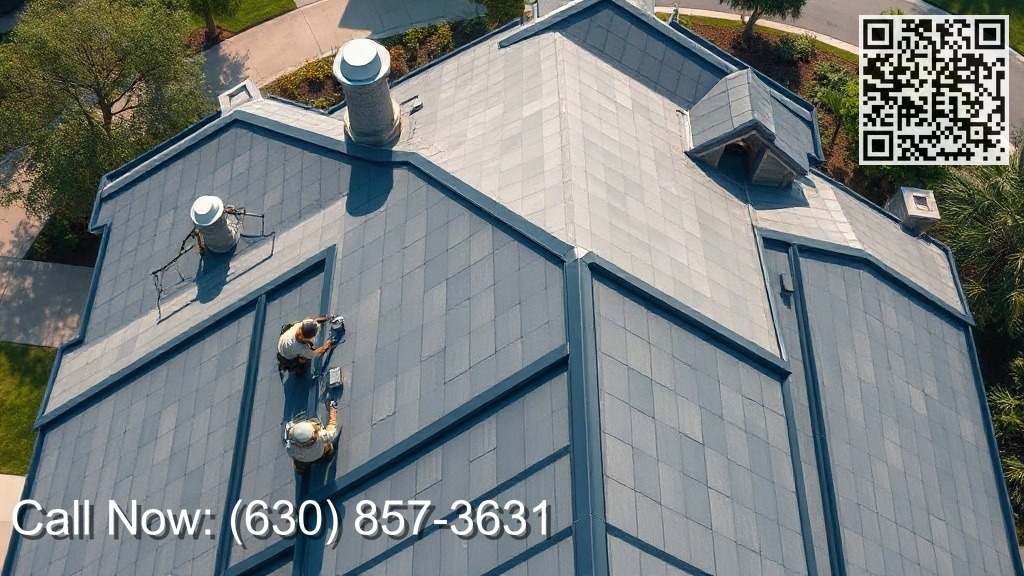
The Midwest provides a persistent combination of rain, melting snow, and wind-driven moisture. Water does not constantly drop neatly directly down. It gets pushed sideways, blown upslope, and pushed into vulnerable roofing details. Steady roof products, coupled with top quality underlayments and blinking, help in reducing the danger that those problems turn into indoor leaks.
Ice dam problems are another concern. Artificial roof is not a treatment for inadequate attic room insulation or poor air flow, however a properly designed artificial roofing installation can work as part of a more powerful overall moisture protection. When the roofing covering, underlayment, and side details are appropriately incorporated, the assembly stands a much better possibility of withstanding back-up water at eaves and valleys.
The weight advantage is particularly useful on older homes
In numerous Midwest communities, housing supply spans years. It is common to discover homes developed when roof covering lots, ventilation assumptions, and framing methods were extremely various from existing standards. That makes roofing system material weight a severe factor.
Natural slate and tile can be phenomenal roofing products, yet their dead tons is considerable. On a newer customized home engineered for that weight, no problem. On an older home with unsure framework adjustments throughout the years, it comes to be an extra challenging conversation.
Architectural synthetic roof covering provides home owners a method to go after the appearance of slate or shake without adding the very same architectural worry. For residential synthetic roofing in well established neighborhoods, this can be a functional middle ground between look and structural prudence.
That is one reason artificial roofing for high-end homes has actually grown. Owners of premium properties often desire the aesthetic splendor of standard materials, yet they likewise want contemporary performance, much easier logistics, and much less disruption during installation. Artificial items can satisfy both objectives when chosen carefully.
Appearance issues, however realism differs by product
Not all synthetic roofings look equally convincing. Some costs lines catch the depth, shadow lines, and variation of all-natural materials extremely well. Others still have a flatter, even more manufactured appearance, specifically in rough twelve noon light or on simpler roof shapes.
For property owners concerned regarding aesthetic charm, this is worth seeing personally. Examples aid, however installed jobs tell the truth. A trusted synthetic roofing contractor must have the ability to show completed homes, review how shade mixes weather in time, and describe which profiles suit the architecture of the house.
On huge homes with high pitches, visible front elevations, or deluxe detailing, the best costs synthetic roofing products can be very influential visually. They usually look more refined than standard laminated asphalt while avoiding the fragility or upkeep problem of real wood or stone.
That said, judgment matters. A historic home may benefit from an extra typical profile and low-key shade variant. A more recent transitional or customized home may take care of crisper lines and bolder shadow impacts. Great roof choices appreciate the design first.
Where synthetic roof covering makes one of the most sense
Synthetic roof covering is not immediately the ideal answer for every home. Budget plan, style goals, community context, and the condition of the existing structure all shape the choice. Still, there are specific circumstances where these systems have a tendency to shine.
- Homes in hail-prone and high-wind locations that need more powerful storm resilience
- Properties where the proprietor desires a slate or cedar look without the weight of natural materials
- Older homes that may not be excellent prospects for heavy roof covering systems
- Luxury homes where look and long-lasting efficiency both matter
- Roof substitutes where repeated repairs have already proven uneconomical
In markets such as synthetic roof covering Chicago tasks or synthetic roofing Naperville IL installations, these situations come up typically. Home owners are balancing weather direct exposure with appearances, and they desire a roofing that does not require consistent attention after every significant tornado cell relocations through.
Installation top quality is where efficiency is won or lost
The ideal product worldwide can fall short if the staff cuts corners. This is not one-of-a-kind to synthetic roof covering shingles, but the factor deserves highlighting due to the fact that premium materials create high assumptions. A roofing system just protects a home along with it is in-depth and installed.
Experienced synthetic roofing system installers understand the traits of specialized items. They understand how producer needs vary, exactly how fastener positions impact efficiency, how accessory pieces ought to incorporate, and where leakage risks are most likely to emerge on intricate roofing lines.
When reviewing a synthetic roofing firm, home owners should look beyond sales language. Ask how usually the crew installs this details product. Ask that takes care of blinking work around chimneys, skylights, and wall crossways. Ask whether the deck will be checked for soft spots or wetness damages before installation earnings. Ask how ventilation and underlayment options will certainly be dealt with, not just whether the visible roofing product is premium.
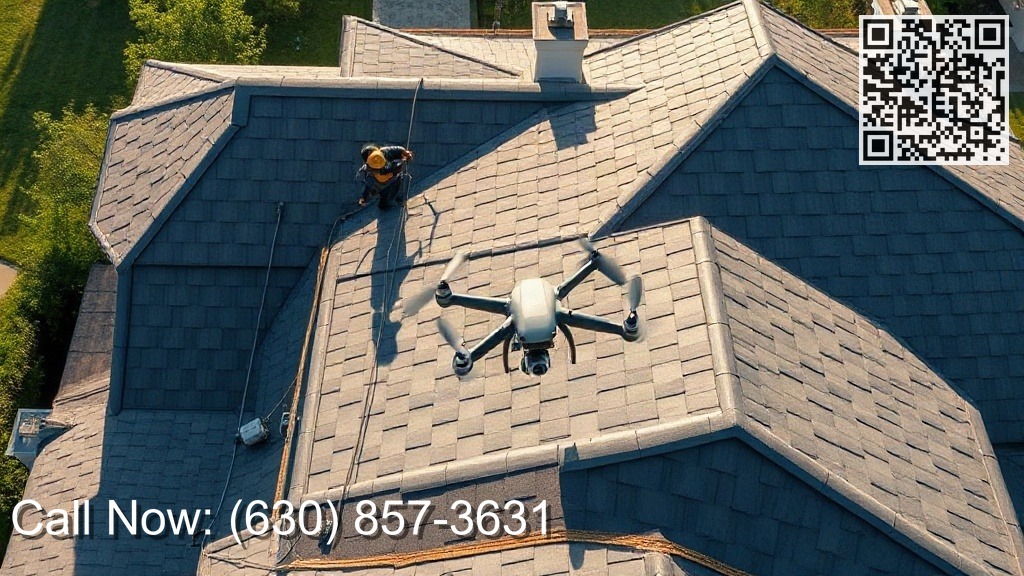
A mindful specialist additionally takes care of sequencing around climate. Midwest roof tasks can be disrupted by surprise thunderstorms and high winds. Safeguarding the revealed deck, staging materials appropriately, and maintaining infiltrations leak-proof during installment are indicators of professionalism that issue greater than shiny brochures.
Cost, lifespan, and the real worth equation
Synthetic roof normally sets you back more upfront than standard asphalt tiles. There is no straightforward method around that. Home owners must anticipate a higher first financial investment, specifically with premium profiles and complicated installations.
But the value equation is more comprehensive than initial price. A roofing system that much better stands up to hail storm, wind, and wetness intrusion may lower repair service frequency, expand replacement cycles, and shield interiors extra dependably throughout extreme weather. On higher-value homes, protecting appearance and minimizing storm-related disturbance can be worth a great deal as well.
Insurance considerations differ, and property owners must validate specifics with their service provider, however impact-resistant materials are often part of the discussion in storm-prone locations. Even when insurance coverage savings are moderate or irregular, the useful benefit of an extra sturdy roof covering remains.
The largest mistake I see is comparing roof proposals simply by square-foot price without weighing setting up quality, tornado efficiency, and the expense of future migraines. Affordable roof frequently ends up being costly at the first major climate event.
Questions worth asking prior to selecting a system
Before committing to an artificial roofing substitute, homeowners must press for clear, project-specific responses. Good specialists welcome that degree of analysis due to the fact that it assists straighten expectations and prevents surprises later.
- How does this item perform in hail storm, wind, and freeze-thaw problems usual to our area?
- Will the existing roofing deck or framework require repair work or support before installation?
- What underlayment and blinking information are included in the system price?
- How closely does this product appear like all-natural slate, cedar, or tile once installed?
- What upkeep and inspection routine do you advise after significant storms?
Those concerns tend to separate true experts from sales groups that just included artificial roofs to a broader menu.
Why Midwest homeowners keep relocating this direction
There is a factor extra homeowners are inquiring about property synthetic roof currently than they were a years ago. Tornado patterns really feel much less forgiving, substitute prices are greater, and people are extra aware of how much damage beginnings at the roofing line. At the same time, product quality has actually boosted. The best systems readily available today are even more fine-tuned in both appearance and engineering than earlier generations.
For Midwest homes, especially in storm-exposed areas around Chicagoland, the appeal is straightforward. Artificial roofing systems offer a blend of influence resistance, wind performance, convenient weight, and layout adaptability that fits the area well. They do not get rid of threat, and they do not replace the need completely installation, attic efficiency, and routine inspection. But they can pile the odds in the home owner's favor.
That is the actual factor. When the next hailstorm rolls throughout the community, when January ice works its way toward the eaves, or when a summertime squall strikes with hard wind and sideways rainfall, your roofing system does not require to be ideal. It needs to remain intact, lost water, secure the deck, and buy your home time. The best synthetic roof are developed for precisely that job.
When Quality Matters
Salvo Architectural Roofing Contractors
566 West 5th Ave Naperville, IL 60563
(630) 857-3631
 Ask ChatGPT
 Ask Grok
 Ask Perplexity
 Ask Claude
 Ask Google AI
 Ask You